
Global health education for action
From national training for university branches to a new schools outreach programme, we equip students with the knowledge, skills and confidence to advocate for health equity and create meaningful change.
Why global health education matters
Health is shaped by far more than healthcare. Politics, economics, climate, conflict, discrimination and the systems around us all influence who gets to be healthy.
Our education work helps students understand these connections, think critically about health inequity and develop the practical skills to create change.
Whether you are encountering global health for the first time or preparing to lead a project, influence policy or train others, we want to support you throughout that journey.
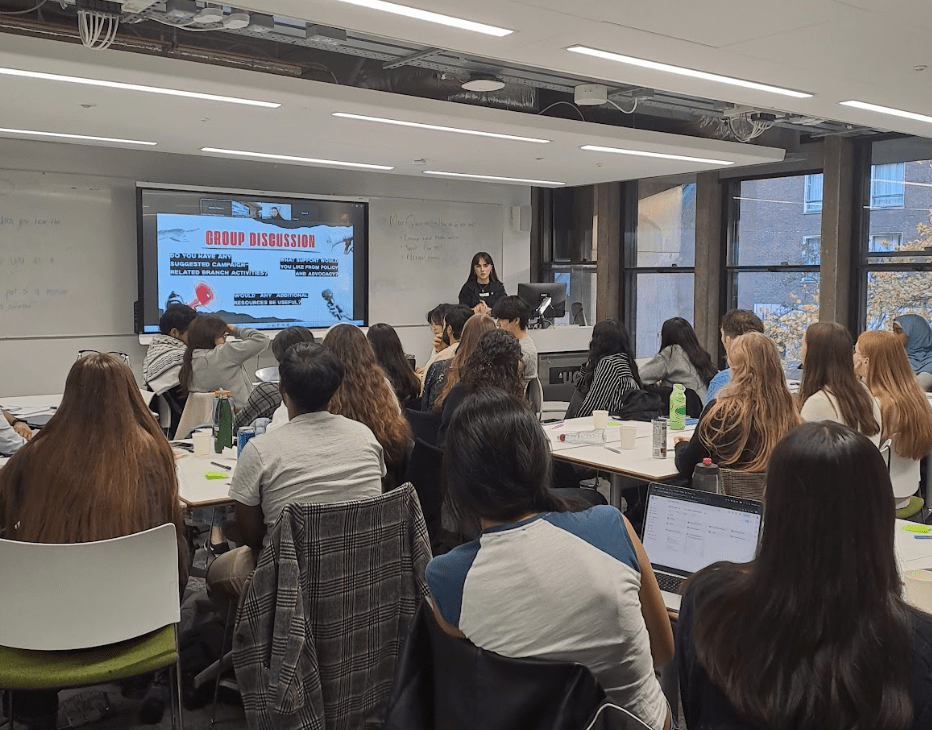
Explore our programmes
Global Health Training
Build the knowledge and practical skills to become a confident advocate, organiser and leader.
Global Health in Schools
A free outreach programme introducing students aged 16–18 to global health and health equity.
Our priorities for 26/27
This year, we are developing a more structured, accessible and student-led approach to global health education across our network.
Our priorities include:
- understanding the learning and training needs of our members and branches;
- developing a progressive Global Health progression pathway;
- strengthening branch, regional and national training;
- supporting more students to become confident facilitators and trainers;
- expanding access to global health education through schools outreach;
- platforming the knowledge, research and experiences of our members and alumni;
- contributing new evidence about global health education in the UK.
Global Health Training
Building confident advocates, organisers and leaders
Our national training programme gives Students for Global Health members and branches a shared foundation in global health, alongside the practical skills needed to turn ideas into action.
Training begins with dedicated support for branch teams at the start of the academic year and continues through online workshops, regional sessions, national conferences and training tailored to the needs of individual branches.
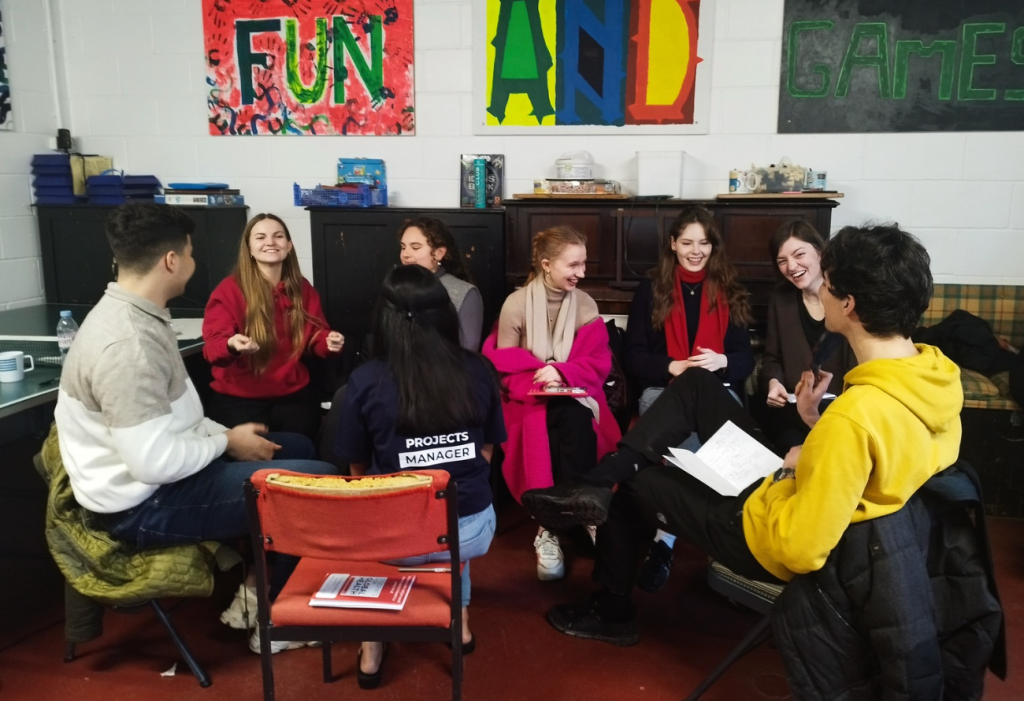
What our training covers
Our 2026/27 training programme is currently being developed with our members and branches. It will bring together learning on key global health challenges with practical training in advocacy, policy, campaigning, leadership and project delivery.
A full programme of topics, workshops and learning opportunities will be published soon.
A pathway that grows with you
We are developing a tiered Global Health Progression pathway that will support members from their first introduction to global health through to meaningful action and leadership.The pathway will recognise not only what members learn, but how they apply their knowledge through branches, campaigns, policy work, training, national projects and international opportunities.
Full details of the pathway, including its learning stages, recognition and how members can take part, will be launched soon.
Global Health in Schools
Relaunching a proud tradition of student-led education
Students for Global Health has a long history of bringing health education into schools and communities.
When Students for Global Health was known as Medsin, our early network helped nurture Medsex, a peer-led sexual health education project that later became the independent national charity Sexpression. In the years that followed, Students for Global Health branches also delivered global health education in schools, helping young people explore health inequality and social justice.
This area of our work became less active during and following the COVID-19 pandemic. In 2026/27, we are piloting its relaunch through a free outreach programme for sixth forms and colleges, delivered by trained Students for Global Health volunteers.
The programme will introduce students aged 16–18 to the foundations of global health, the causes of health inequity and the different ways young people can contribute to change.
Students will also have opportunities to meet university volunteers from a range of disciplines, ask questions and explore global health beyond the standard curriculum.
What students will explore
Pilot sessions will combine short teaching, discussion, collaborative activities and debate. Topics may include:
- what global health is and why it matters;
- the social and wider determinants of health;
- health inequalities in the UK and globally;
- communicable and non-communicable diseases;
- climate and health;
- ethics in healthcare;
- advocacy and student action.
The final pilot curriculum and session materials are currently being developed with our Training and Education Team.
What the programme offers
Free, interactive curriculum enrichment; engagement with university students; and support for wider learning, careers education and extracurricular development.
A structured introduction to global health, exposure to university-level thinking and opportunities to develop critical discussion skills and confidence engaging with complex health issues.
Our near-peer model also gives students opportunities to speak informally with university volunteers from different subjects and backgrounds.
Training, resources and support to deliver high-quality sessions, alongside meaningful experience in teaching, facilitation and leadership.
Volunteers will have the opportunity to inspire the next generation of health-equity advocates while strengthening their own understanding and communication skills.
Help shape our work
Learn. Teach. Share. Contribute.
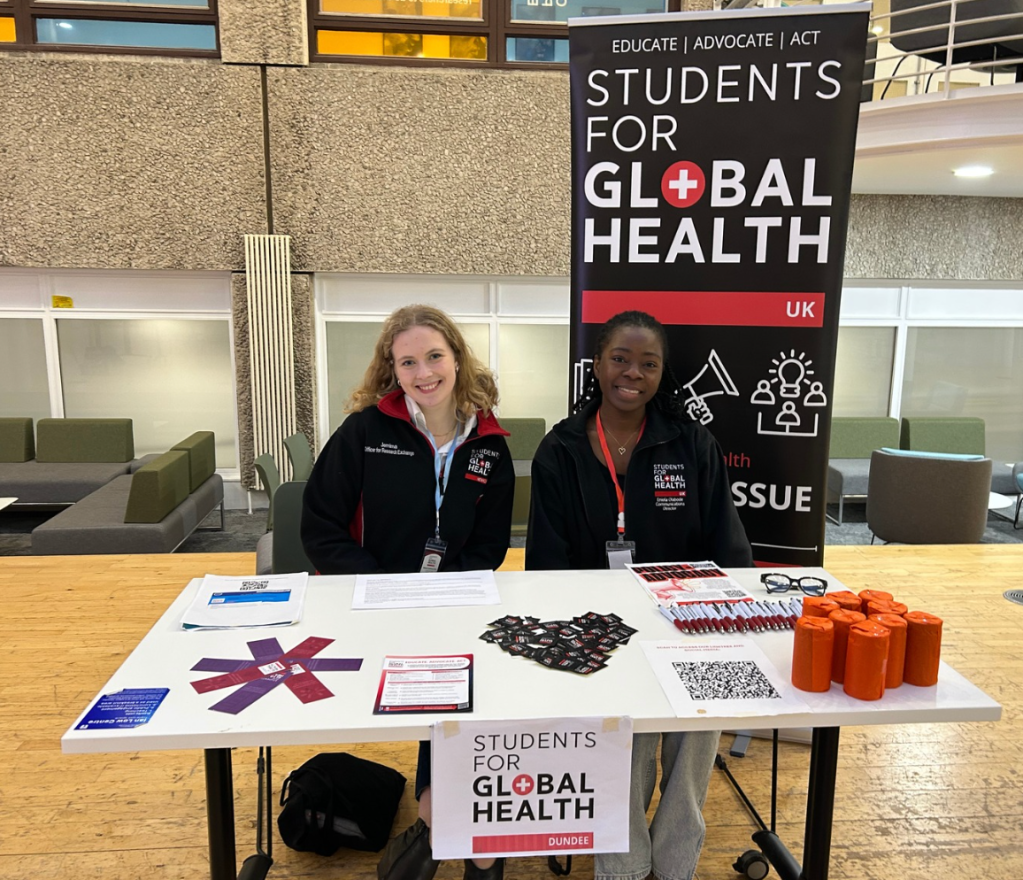
Our education work is developed with and delivered by students, supported by a wider community of members, alumni, partners, mentors, educators and global health professionals who share their knowledge and experience with our network.
We want to create more opportunities for members and alumni to share their research, lived experience, professional journeys and areas of interest through member spotlights, peer-led workshops and educational resources.
Whether you would like to attend a workshop, facilitate a session, support our schools pilot, help develop resources, share your research or collaborate with us as an organisation, we would love to hear from you.
 Students for Global Health