
Three decades of students creating change
Students for Global Health has grown from a small group of students connecting around neglected health issues into the UK’s largest student-led global health network.
Our organisation was formally established as MedSIN in 1996, but its roots sit within a much longer history of UK student participation in international health.
Over three decades, our name, structure and programmes have evolved. Our belief in the power of students to advance health equity has remained constant.
1951–1991
The international roots of our movement
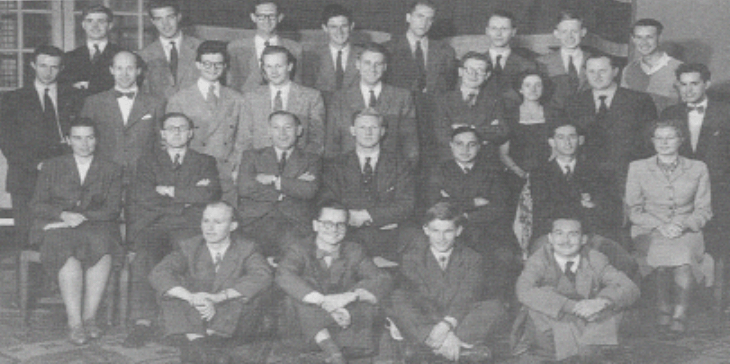
The UK’s relationship with the International Federation of Medical Students’ Associations began in 1951. The British Medical Students Association was among IFMSA’s founding members, London hosted its first General Assembly and the federation’s first president, Rex Crossley, came from the UK.
UK students continued to hold international leadership positions throughout the 1950s and 1960s. After the British Medical Students Association dissolved in the early 1970s, however, UK participation became less consistent.
By 1991, UK students were again represented internationally through the National Association of Medical Students – setting the scene for a new national network to emerge.
1993–1996
Medsin is born
After attending an IFMSA conference in Alexandria, Egypt, Sheffield medical student Wigs Bateman returned to the UK determined to strengthen British student involvement in international health.
Together with Jess Westall and Rachel Lindley, she helped establish local projects in Sheffield. Meanwhile, students at UCL, St George’s and Nottingham were developing health initiatives and international exchanges of their own.
In 1996, students from these universities came together to form the Medical Students International Network – MedSIN.
1997–2002
Joining a global federation
Wigs Bateman became MedSIN’s first president. In 1997, the new network became a candidate member of IFMSA, before securing full membership at the 1999 August Meeting in Mexico.
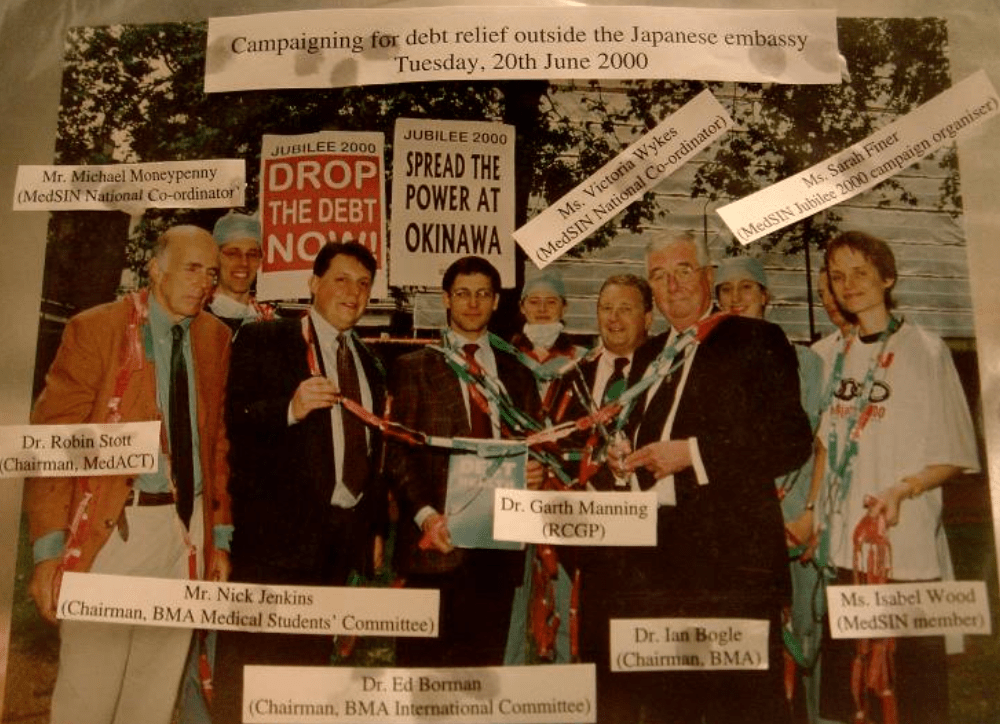
National organising began to grow through early conferences, an expanding committee and student campaigning. MedSIN’s first major national campaign supported Jubilee 2000, joining a global movement calling for the cancellation of unpayable debt in lower-income countries.
2002–2008
Building the organisation
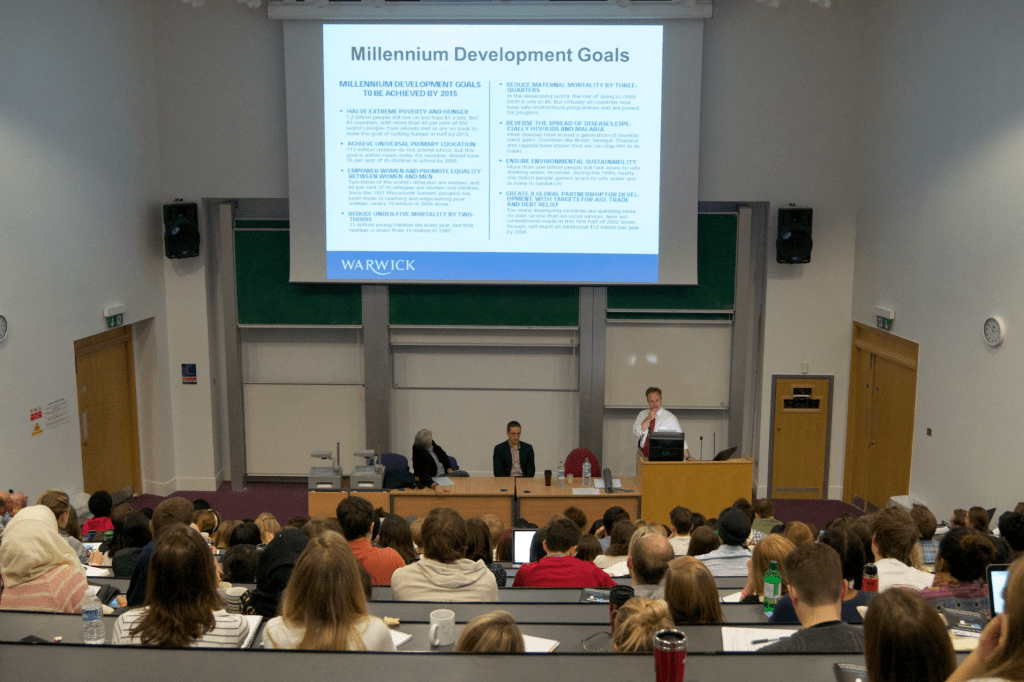
In 2000–01, more than 300 students came together in Edinburgh for MedSIN’s first large national conference. By this point, the network had grown to 18 university branches.
The following year, members elected MedSIN’s first full National Committee. Student-led initiatives also expanded, including Sexpression, which focused on peer-led sex and relationships education; Marrow, which recruited potential bone-marrow donors; and Homed, which addressed homelessness and health.
A growing programme of national conferences and training events gave students new opportunities to build their knowledge, develop practical skills and organise collectively.
MedSIN’s international influence was growing too. In 2003, Emily Spry, a former MedSIN President, was elected President of IFMSA.
2009–2015
Strengthening our voice
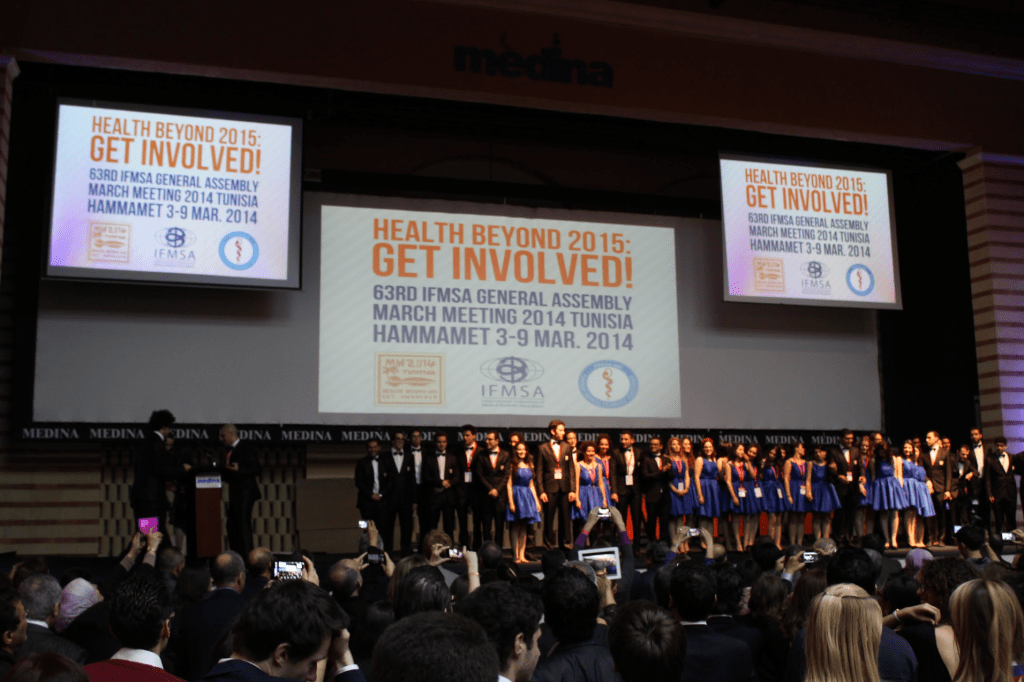
As the network grew beyond 30 branches, Medsin introduced regional support, a Board of Trustees and its first long-term organisational strategy.
Students gained representation at national and international meetings, including COP17, and increasingly engaged institutions such as the British Medical Association, the Department of Health and IFMSA.
In 2013, members helped establish the Open Access Button, challenging barriers to academic research. In 2015, Medsin and Universities Allied for Essential Medicines launched the UK’s first Global Health Research League Table in Parliament.
2016–2018
Becoming Students for Global Health
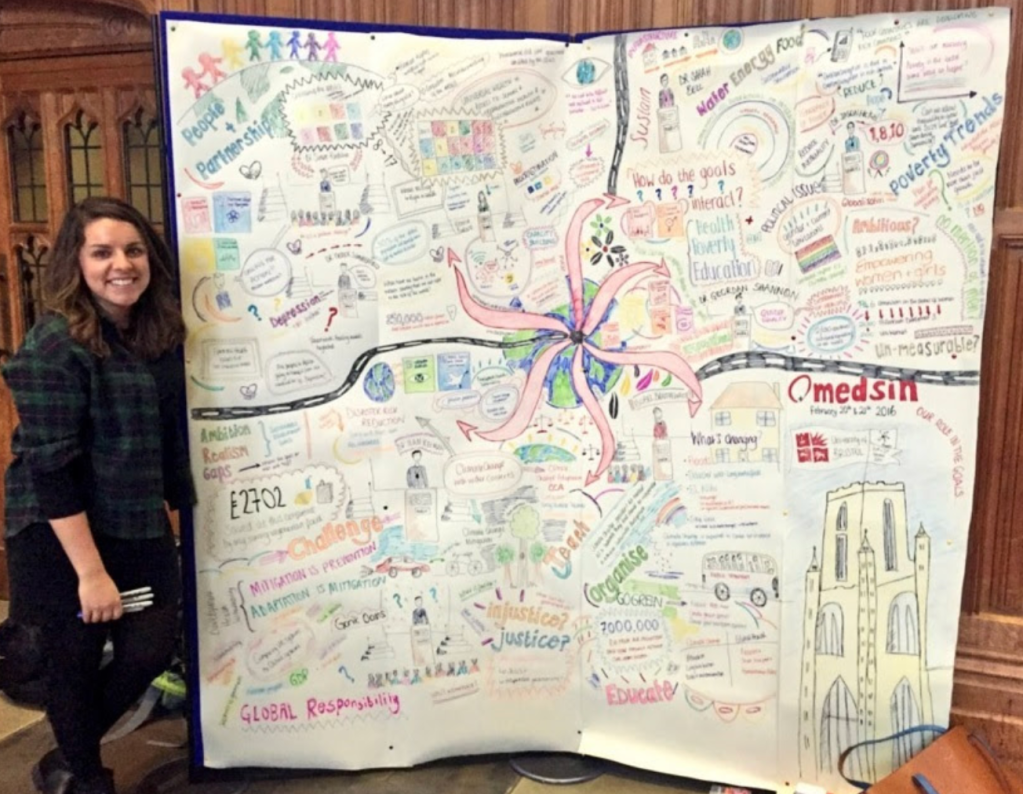
Members voted to leave the name Medsin behind and become Students for Global Health, a name that better reflected an interdisciplinary network open to students from every background.
The new identity placed health equity and student action firmly at the centre of the organisation. National coordinated campaigns addressed issues including the Sustainable Development Goals, while conferences, training and IFMSA representation continued to connect local branches with a wider global movement.
2019–2020
Organising through a changing world

Students campaigned nationally on homelessness and health, followed by climate change and health. Branches were supported to bring these issues onto campuses, into curricula and into conversations with decision-makers.
When COVID-19 disrupted university life, the network adapted through online educcation, campaigning and collaboration. Students examined the pandemic’s unequal effects, including its impact on women and girls, and helped bring youth perspectives into debates about climate justice and the future of health.
2022–2024
Rebuilding for the future
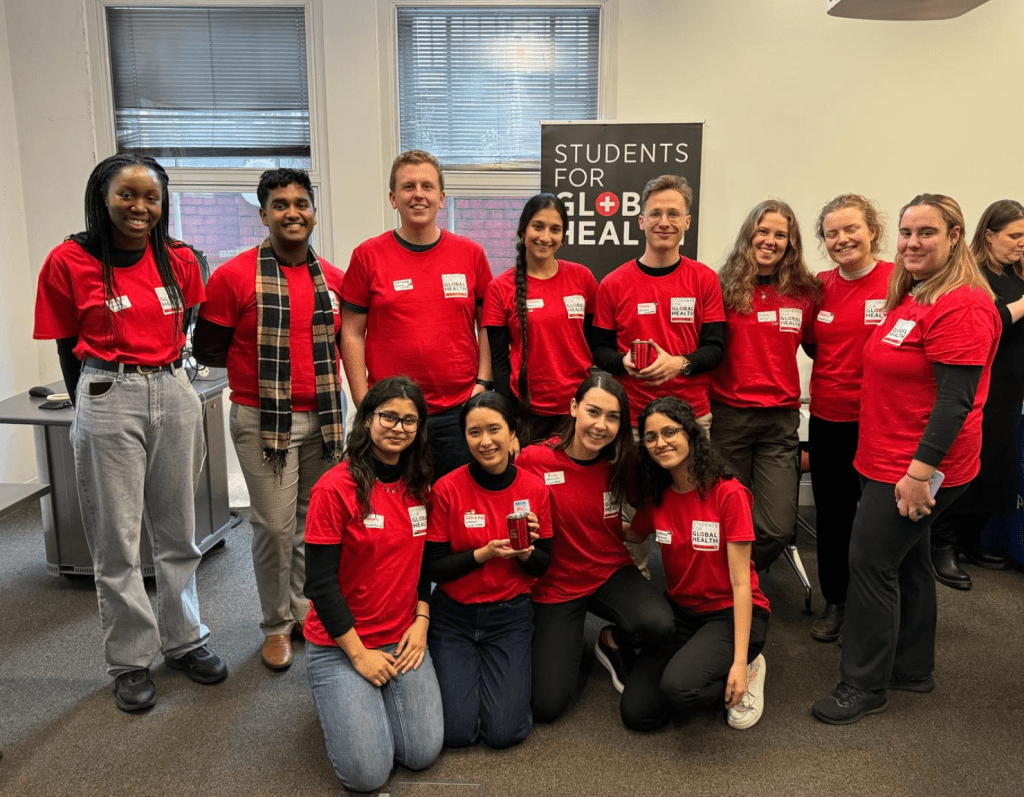
Students for Global Health adopted its 2022–26 strategy, focused on stronger organisational foundations, empowering the network and extending its reach.
National conferences returned in person, branches rebuilt their communities and students continued developing policy across a wide range of health-equity issues.
Ahead of the 2024 UK general election, the network published a national manifesto and practical campaigning toolkit, giving students clear recommendations and resources through which to engage candidates, MPs and their communities.
2025–2026
A growing network with a global outlook
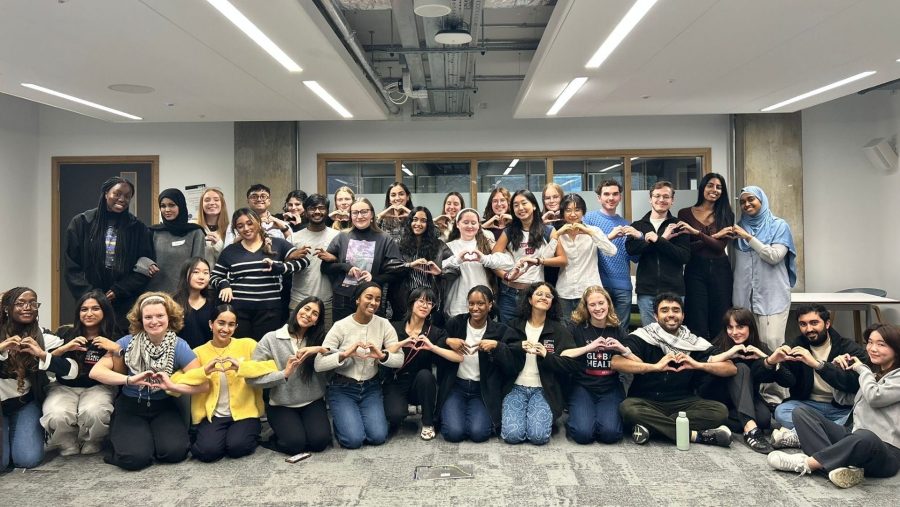
A new generation of members has continued to strengthen Students for Global Health across the UK.
Our national working groups have brought students together to research policy, develop evidence-based recommendations and advocate directly with decision-makers. Students have taken their work into Parliament, government departments and international forums.
Alongside three annual national conferences, we are expanding national training, developing global health education for schools and creating clearer pathways from first involvement to leadership.
Through IFMSA and wider partnerships, our members continue to represent UK students internationally – from global meetings and exchanges to the World Health Assembly and World Health Summit.
Today, our 25 university branches form a network through which students learn, organise, advocate and lead change locally, nationally and globally.
Our story is still being written
Everything Students for Global Health has achieved began with students deciding that health inequity could not go unchallenged.
The issues facing global health continue to change – and so will we. What comes next will be shaped by the students, branches, alumni and partners who carry this movement forward.
 Students for Global Health